“Is this Job tough? you betcha, oh god you betcha. But it is not impossible, we can do this. We’re educators and we’re born to make a difference” (Rita Pierson, 2013).
When I talk to friends about their school experiences its not often the good memories that come to mind first, but memories of terrible teachers that made them feel insignificant. They often described them as teachers that you could tell that were only there to collect a pay cheque and didn’t care about their learning. I didn’t always have the best experiences with my teachers but I never doubted their intention to teach and I couldn’t imagine a teacher that was only there to collect a pay cheque until I saw it for myself.
This teacher isn’t a vile human being who hates children, not at all. This is an educator that has been teaching for over twenty years and for many nuanced reasons doesn’t enjoy it anymore, but unfortunately can’t afford not to teach. Bills still need to be paid — that is life. Although I can sympathise with their position, I also can’t help but think that it’s not good enough. How can you be a good teacher and build positive relationships with the learners when you don’t want to be there anymore?
In Rita Pierson’s Ted Talk she recounts a story about a colleague:
“A colleague said to me one time, ‘They don’t pay me to like the kids. They pay me to teach a lesson. I should teach it, they should learn it. Case closed.’ Well, I said to her, ‘You know, kids don’t learn from people they don’t like (Pierson, 2013).
Although the situation is different, I cant help but think that kids also don’t want to learn from people they know don’t want to teach. In general, knowing that someone would rather be somewhere else rather than with you doesn’t feel too great, so I can imagine that sensing your teacher is disengaged in the classroom and isn’t interested in helping you must suck. Young people aren’t stupid, they can feel when you care and they can feel when you don’t.
James Comer said that “No significant learning can occur without a significant relationship”, and I might seem like broken record talking about building healthy relationships but its important, so important that its written into our teaching code of ethics.
“WHANAUNGATANGA: engaging in positive and collaborative relationships with our learners, their families and whānau, our colleagues and the wider community.”
I think there can be a sense of guilt when you realise that you don’t want to teach anymore — we get into teaching because we love learning, we love our subject and we love sharing that knowledge with young people while also learning from them and about them — so its hard to admit that you’ve changed, you’re a different person and you need something different in your life to be happy. Just like staying in a relationship when you know the love is gone will turn toxic, so will staying in teaching for the sake of a pay cheque. Sometimes making the biggest difference is knowing when to let go and recognising that you’re not teaching to the best of your abilities.
You and your classes deserve better.


Relationships and Cultural Responsiveness
I agree that it is difficult to see and hear a disillusioned teacher who lacks a caring and professional relationship with their students.
I am a believer in relationships being the foundation of teaching and learning.
I think that relationships are also central to concepts of being culturally responsive. Russell Bishop(2012) stresses the importance of creating caring relationships to enhance student learning and educational achievement, referring to it as “a culturally responsive pedagogy of relations”.
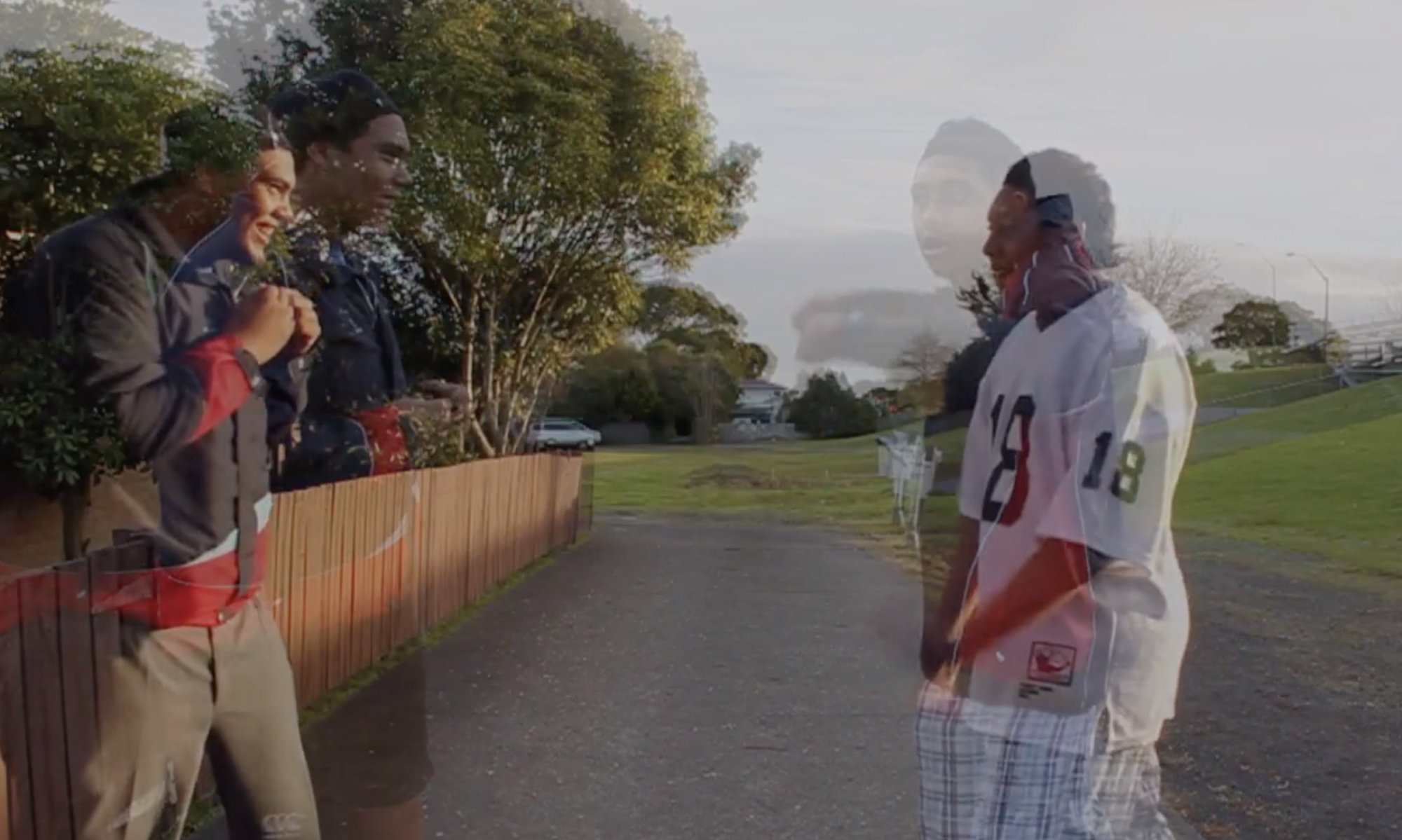
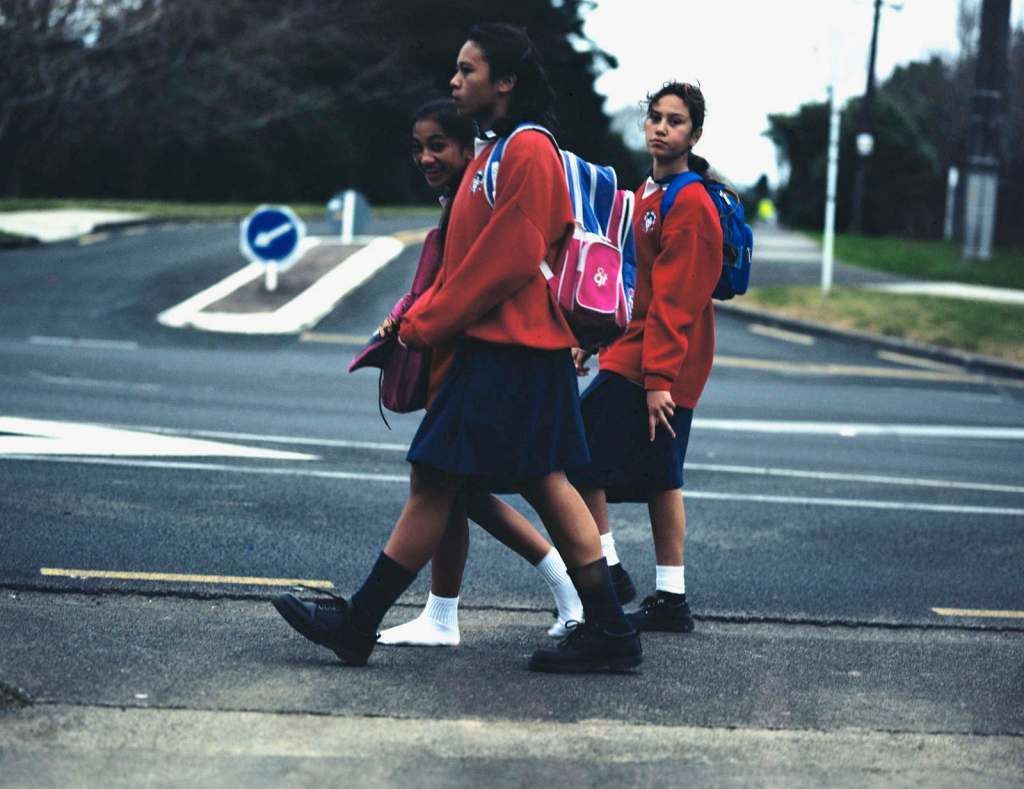
My practicum experience included Manurewa High School which is multicultural and the two main ethnic groups of students are Maori and Pasifika. The school slogan of “Be the ManuREWA Way” has the core values of Respect, Excellence, Whanaungatanga and Akoranga encapsulated in it. The online Maori dictionary translates this value of Whanaungatanga, which you rightly point out is part of our teaching code, as-
relationship, kinship, sense of family connection – a relationship through shared experiences and working together which provides people with a sense of belonging.
This concept of whanaungatanga is reflected in the research of Bishop and Berryman(2007)
who designed the Effective Teaching Profile and Te Kotahitanga professional development programme for lifting achievement from a study interviewing Maori students, their whanau and teachers on education experiences. The issues of respect and validation of the culture of the student within the classroom was revealed to be of vital importance to improving the learning experiences and it was concluded that “power-sharing relationships needed to be developed”(Bishop & Berryman, 2007).
Bishop and Berryman(2007) point out the advances in Maori student engagement, behaviour and achievement from positive teacher relationships due to a “respect for the cultural knowledge and aspirations of their students.” The results of the “narratives” highlighted –
All the students identified the relationships they had with their teachers as the most influential factor in their ability to achieve in the classroom. In acknowledging the importance of relationships, the students emphasised the importance of teachers caring for them, having high expectations of them, knowing what students needed to learn, knowing how to lead students to this knowledge, and being able to manage classrooms in ways that supported their learning. (Bishop & Berryman, 2007, p.374)
The wider whānau of Māori students also believed that teacher-student relationships were the most essential factor in Māori students’ educational achievement. (Bishop & Berryman, 2007)
Clearly, the significance of relationships is not confined to the classroom and school, but to connections with whanau and the wider community. As Howard and Rosario(2000) point out-
Locate teaching within the culture of the school and the community…Obtaining an understanding of the cultural context is essential in establishing meaningful relationships with students and community members. (p.134)
Si’ilata, Samu and Siteine(2019) believe it is a responsibility of teachers to demonstrate value for their culture and connect with the lives of students to benefit their learning and boost achievement –
…enabling Pasifika learners to connect, rather than replace, the worldviews, languages, literacy practices, and experiences of their homes with the valued knowledge and literacy practices of school. The enactment of linguistically and culturally responsive pedagogies raises students’ linguistic and literacy achievement and acts as catalyst for the development of stronger connections between home and school domains.
Reynolds(2019) considers Pasifika education as a “relational activity” and also stresses the quality of the relationship between teacher and Pasifika student as vital to a successful education experience. Reynolds(2019) uses the Pacific holistic concept of va to expand on this central point of relationships in Pasifika education-
Va is a spatial understanding of relationships which operates multi-dimensionally across spiritual, social and physical domains… Each relationship has a va which both connects and separates those involved. Every classroom has many va, between teacher and student, peer and peer, student and subject, and so on.
Reynolds(2019) notes that for our teaching practice to be culturally responsive, re-viewing Pasifika education through the lens of va, can be very beneficial-
By understanding Pasifika student voice through cultural logic, teachers can reshape how they think about their practice. This encourages teachers to be deliberate in adopting values which centre on care, responsiveness, relational closeness and acceptance.
During my practicum, there was discussion on the criteria for the junior English curriculum in the following year. The predominant view was that for reasons of culturally responsiveness, texts and resources should have a South Auckland focus. However, there was also the acknowledgement that in order to prepare students for becoming “global citizens”, teachers needed to extend the scope of students beyond localised knowledge and experience.
I can understand both perspectives and the necessities of curriculum and culture for the benefit of students. As teachers, this seems like another balancing act we need to master.
References
Bishop, R.( September 23, 2012) A culturally responsive pedagogy of relations.
https://edtalks.org/#/video/culturally-responsive-pedagogy-relations
Retrieved from: https://seniorsecondary.tki.org.nz/Science/Pedagogy/Culturally-responsive#what
Bishop,R. & Berryman, M.(2007). Culture Speaks : Cultural Relationships and Classroom Learning, Huia (NZ) Ltd.
Retrieved from: http://ebookcentral.proquest.com/lib/aut/detail.action?docID=1359695
Howard, T.C. & Rosario, D. (2000). Talking Race in Teacher Education: The Need for Racial Dialogue in Teacher Education Programs. In Action in Teacher Education, 21(4) 127-137. Retrieved from: https://doi.org/10.1080/01626620.2000.10462986
Reynolds, M. (2019). Culturally Relevant (Teacher) Education: Teachers Responding through Va in the Inter-cultural Space of Pasifika Education. New Zealand Journal of Educational Studies. 54(1), pp. 21-38.
Retrieved from: DOI: 10.1007/s40841-019-00128-1
Si‘ilata R., Samu T.W., Siteine A. (2019) The Va‘atele Framework: Redefining and Transforming Pasifika Education. In: McKinley E., Smith L. (eds) Handbook of Indigenous Education. Springer, Singapore.
Retrieved from: https://doi.org/10.1007/978-981-10-3899-0_34
LikeLike
Well said Louisa and what a great topic to consider as we enter into the education workforce. Unfortunately, I am reminded of some of the grumpy ass teachers that I used to have when I was at school. Not good! Not good! yet I was one of the lucky ones as I weathered the storm. Many of my friends and family didn’t however, and they dropped out of school. So I am touched by the comments of Rita Pierson on her TED talk where she states “Every child needs a champion: an adult who will never give up on them, who understands the power of connection and insists they become the best they can possibly be”. I am touched by this as the positive examples that you allude to in your blog I believe are about teachers that fall into this category. They are teachers that are champions to their student, they are teachers that care about their students and want them to succeed in education. I have had a few of these teachers and they are part of the reason why I want to be a teacher.
Education theorist, Jimmy Casa, gives his view on being a champion in his comments “Being a champion for all students means just that: all students. Not just ones who are likeable and want help but also the ones who might resist your efforts. Even then, your core values drive you to stay true to this belief. This unwavering hope and faith can be the model to inspire others to do the same for all students.”. I like these views as they encourage teachers to push through some of the challenges that they face and maintain a focus on helping all students, even the naughty ones. These remarks remind me of a discussion I had with a teacher on placement who was describing how some students seem to take one step forward, and then two steps back. But finally one day they will get it and won’t take any steps back. This may not be here, it may be later on in life but if you give up on them now then they may never get there. I thought this was very powerful because I like the way she was unwavering and didn’t slip into the deficit theorising mode that some teachers do. This deficit theorising has drastic effects on student education as it results in teachers’ tendencies to have fatalistic attitudes to the difficulties in the classroom(Bishop et al., 2003).
As well as your suggested focus on whanaungatanga I think the Maori concept of manaakitanga is also an important teaching strategy as manaakitanga is about creating an environment that is supportive and loving that students feel safe and comfortable being in. These two concepts combined will go a long way to ensure that teachers understand the power of building good reltionships with students and being the champion they need to succeed in school.
Bishop, R., Berryman, M., Cavanagh, T., & Teddy, L. (2009). Te Kotahitanga: Addressing education disparities facing Maori students in New Zealand. Teaching and teacher education. Vol 25(5). Accessible at: https://www.sciencedirect.com/science/article/pii/S0742051X09000080
Rita Pierson TED Talk (2013) Retrieved from https://www.ted.com/talks/rita_pierson_every_kid_needs_a_champion?language=en
Jimmy Casa, Retrieved from https://georgecouros.ca/blog/archives/tag/rita-pierson
LikeLike
This and this. Well put Louisa!
Having gone through most of my high school education as a disgruntled and bored adolescent who couldn’t wait to turn of a legal age so that I could get out of there, this spoke in volumes to me. There’s always going to be those looking for a meal ticket and those that choose careers that they might not be suited to but one thing is for certain – if you work in a people focussed environment, you damn well should be passionate about working with people!
Broad concepts such as whanaungatanga and manaakitanga are brandied about like disposable consumables to a kete, when in realities sake, this is a band aid fix unless you have the passion, the drive, and the commitment to creating these interrelationships with the whānau and our tamariki.
Then again, it must be tough looking in the mirror and realizing you’ve been living a lie for the past twenty years.
LikeLike