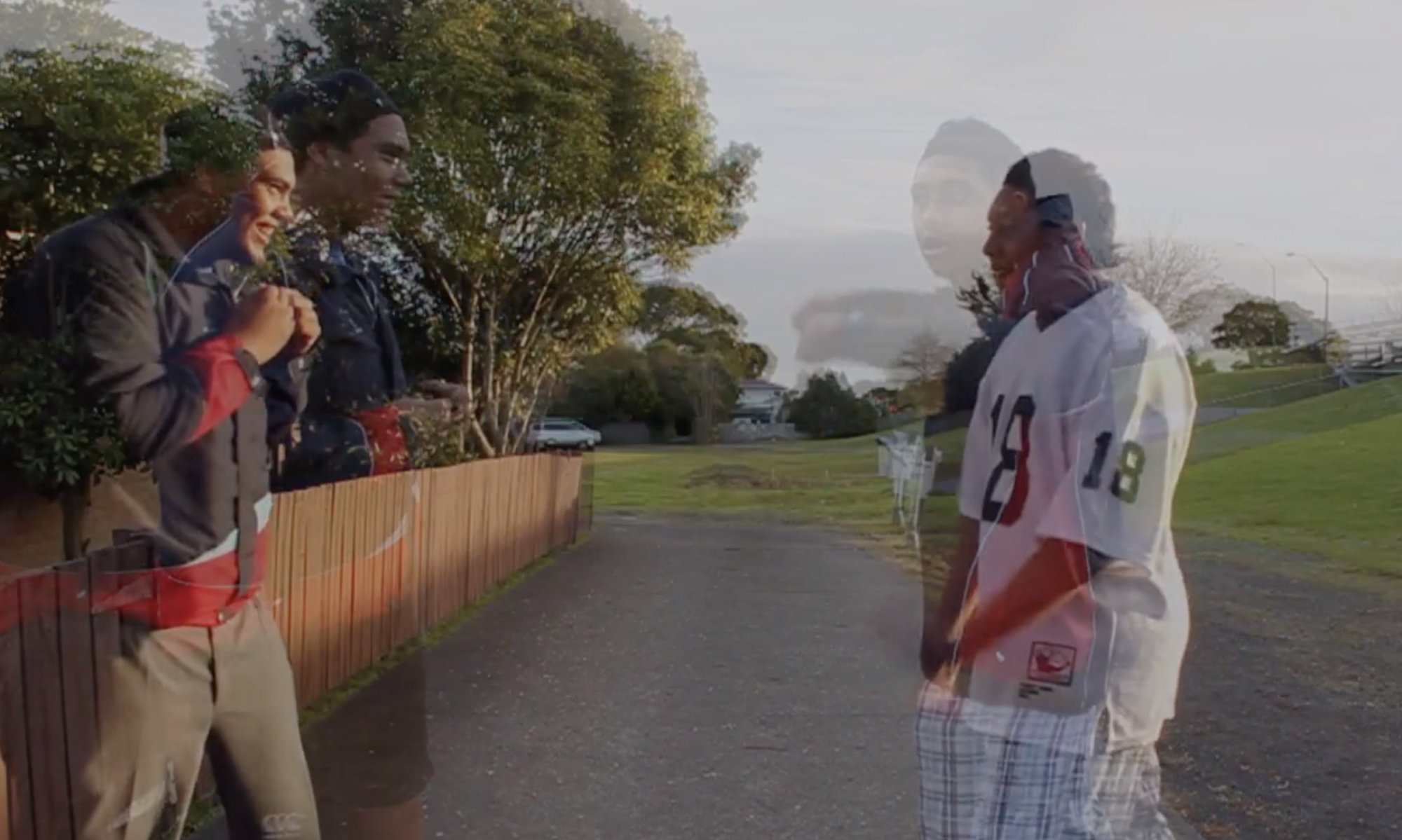

In my first week of my first practicum there was a big brawl on at the end of the day on a Friday. By Monday the next week twelve students had been either suspended or expelled. I remember being really confused about the way the principal spoke about the students during the staff briefing that Monday. He described the school as being a garden and in order to keep the garden healthy that we needed to pull out all of the bad weeds. I understand the idea of wanting to keep your students safe and making people accountable for their actions, but is that the only way? If someone does something bad then they’re a bad person and don’t deserve to be part of the community anymore?
When writing about restorative practices for schools Damien Croxford writes that:
When students are punished by exclusion (for example, withdrawal, suspension) they are disconnected from the school community including teachers and their well-behaved peers (that is most students). This alienation means they seek out others who have been excluded also, creating a ‘negative subculture’ in the school. (Croxford, 2011, p45)
Its normal to find comfort and connection from people that you can relate to, and so when you stigmatise learners into roles ie. the ‘bad’ student, it makes sense that they’re going to reach out to those that understand that stigma — and with no support from the school and teachers play into the role that they feel defines them.
The belief that punishment changes behaviour is a punitive approach which focuses on what rules have been broken, who is accountable and what punishment is needed. However when restorative practice is used “the emphasis is on the harm that has been done, rather than who is to blame [and] on relationships and personal accountability through reflection” (Croxford, 2011, p46). Restorative approaches involve the decisions being made about resolving conflict to include all parties that are involved.
Creating empathy is important for a restorative practice for both the school and learners. When we make an effort to understand students, whats going on at their home, at school with friends, and their perspective, we gain a better understanding of why conflict has occurred and what lead to it. This can only happen through dialogue and reflection, not just between the school and student but also with whanau so that the process for creating consequences is fair and understood by everyone involved. It means that learners remain part of school community and are part of the restorative approach to solving the problem.
“We cannot overestimate the potential for restorative practice in school, but nor should we underestimate the challenges to accomplishing a change of this significance in school culture. Yet the number of schools in various stages of implications around the word suggests that restorative practice.. will be a transformative movement that promises change for schools around the globe” (Costello, 2009).
If the school is a garden, it’s not the learners themselves that are weeds to be extracted and cast away, but rather the harmful behaviours that sometimes take place in the classroom. The restorative ways that we can prevent those behaviours in the classroom is by continually working on building positive, caring and supportive relationships, high expectations and mutual respect. The best change is the change that happens with people, not the change made for them.

