It’s not often that I come across students’ work that leaves me with a bad taste in my mouth. One of visual arts greatest qualities as a subject is the space given to learners to think about and explore ideas through practice — so even if the practical skill level isn’t high in a portfolio board, the work is still a reflection of the students thinking, who they are, and their interests at that point in time, which is really special.
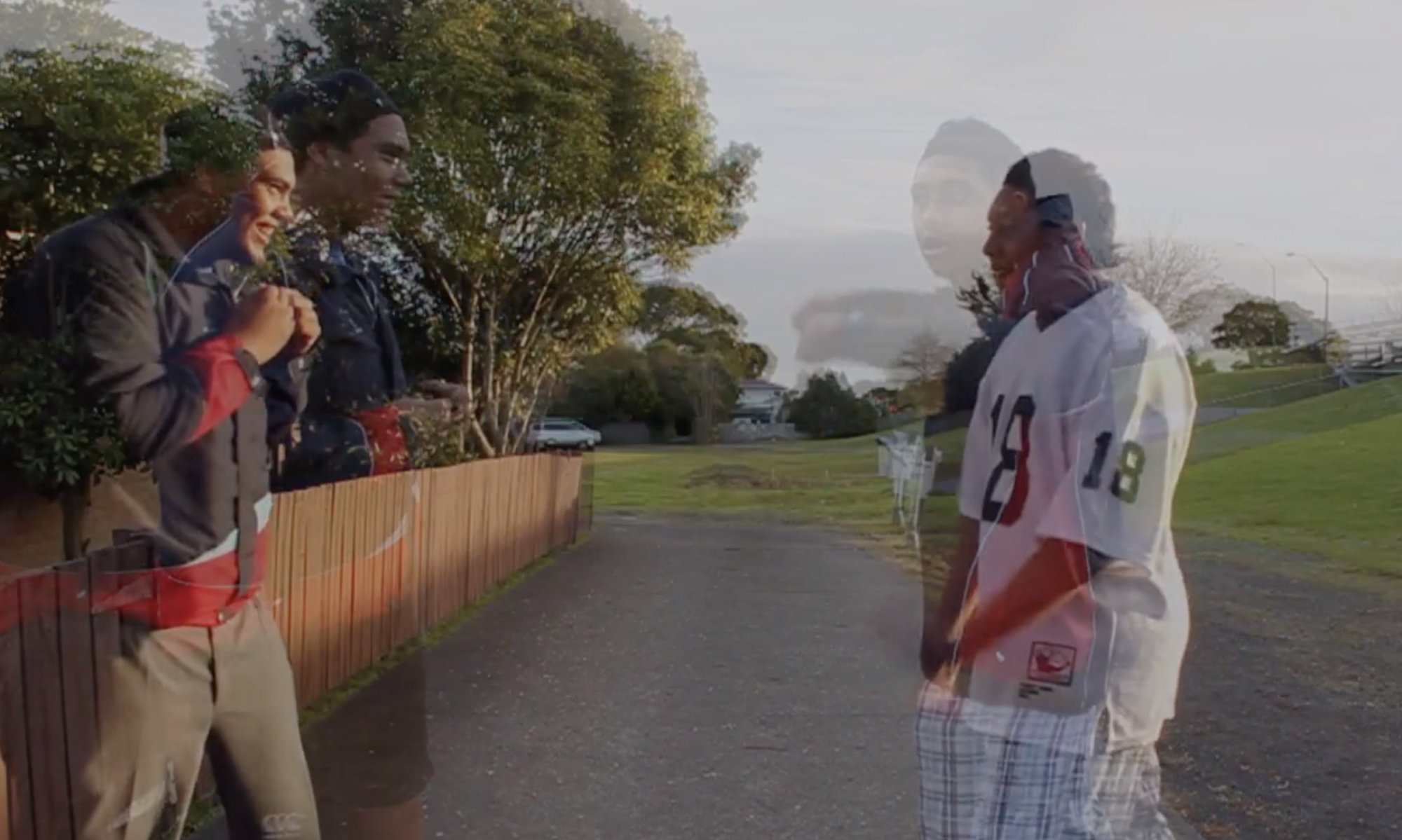
What I find difficult to digest is when Pakeha students make work with images of indigenous or POC people without thinking about how they’re representing them or what it means. I should be clear that this is not a criticism of the students themselves, I know that there isn’t any ill intentions and they’re just thinking through ideas and finding content that they’re interested in. What I think this reveals is the lack of conversation and questioning in the classroom about the power of representation.
When I think about the complexities of representation I always find myself going back to a statement by artist Janet Lilo:
“When I was on Maori TV, I was presented as a Maori artist and when I was on Tagata Pasifika they called me a Samoan artist which I found quite funny. My Niuean Grandfather (bless his soul) would be upset with that. I wonder what I’d be if I was on Crimewatch — who would claim me then” (Lilo, 2013).
She talks about the nuances within her multi ethnic background while also making poignant comments of how we see Pacific people in the media.
As Lilo exemplifies, representation is complex and representation is political. In Aotearoa and across the globe indigenous artists have been continuously making important work that respond to and counter Eurocentric representations of their communities and histories.
“Indigenous peoples want to tell our own stories, write our own versions, in our own ways, for our own purposes” (Smith,1999).
We’re constantly fighting for autonomy and agency. In the subject Art History students talk about post colonialism and discuss contentious art like the works of Dick Frizzell and why it might be seen as problematic to indigenous people. From what I’ve seen so far in my practicum experiences and also my own personal high school experience these discussions don’t happen often in visual arts. However this critical thinking and questioning is a necessary process that should happen alongside their art making.
These conversations need to happen so that there is sensitivity and thoughtfulness when we approach the representation of both our own communities and communities that we sit outside of. It’s not to gate keep students from exploring ideas but letting them ask themselves.. in my art making am I giving power or taking it away?
I think it’s a disservice to all art students if we’re not engaging with contemporary issues and questions that exist in our current arts climate. Art is not a bubble separated from the world but a reflection of it, so what better space to start a conversation than the classroom?
 Provocations in Educational Thinking
Kia ora e hoa!
Thank you for this post – you raise such pertinent, thought-provoking points! I’ve often wondered why so many Pakeha artists feel so confident making this kind of work, and your post suggests it’s something many of them are learning is acceptable while still at school. Just because they are young does not mean they should not have their worldview challenged – this is what art is for! – although I do appreciate that you have included that this isn’t a criticism of the students themselves. As you write, it “reveals the lack of conversation and questioning in the classroom about the power of representation” – and this is the real problem at hand. It reminds me of what you told me about how many school art departments choose not to offer the more art historical / analytical standards, focusing only on the practical. As an Art History teacher I may be biased, but understanding the canon you are creating in is, to my mind, fundamental to developing an art practice. Visual arts students need to know their work is not made in a vacuum – this gives them responsibilities, but it is also empowering! It reveals how their work matters, how it contributes to the visual culture of the world, how it influences the world. Having them make work without interrogating why they are making it and who it serves is, as you say, doing them a disservice.
LikeLike