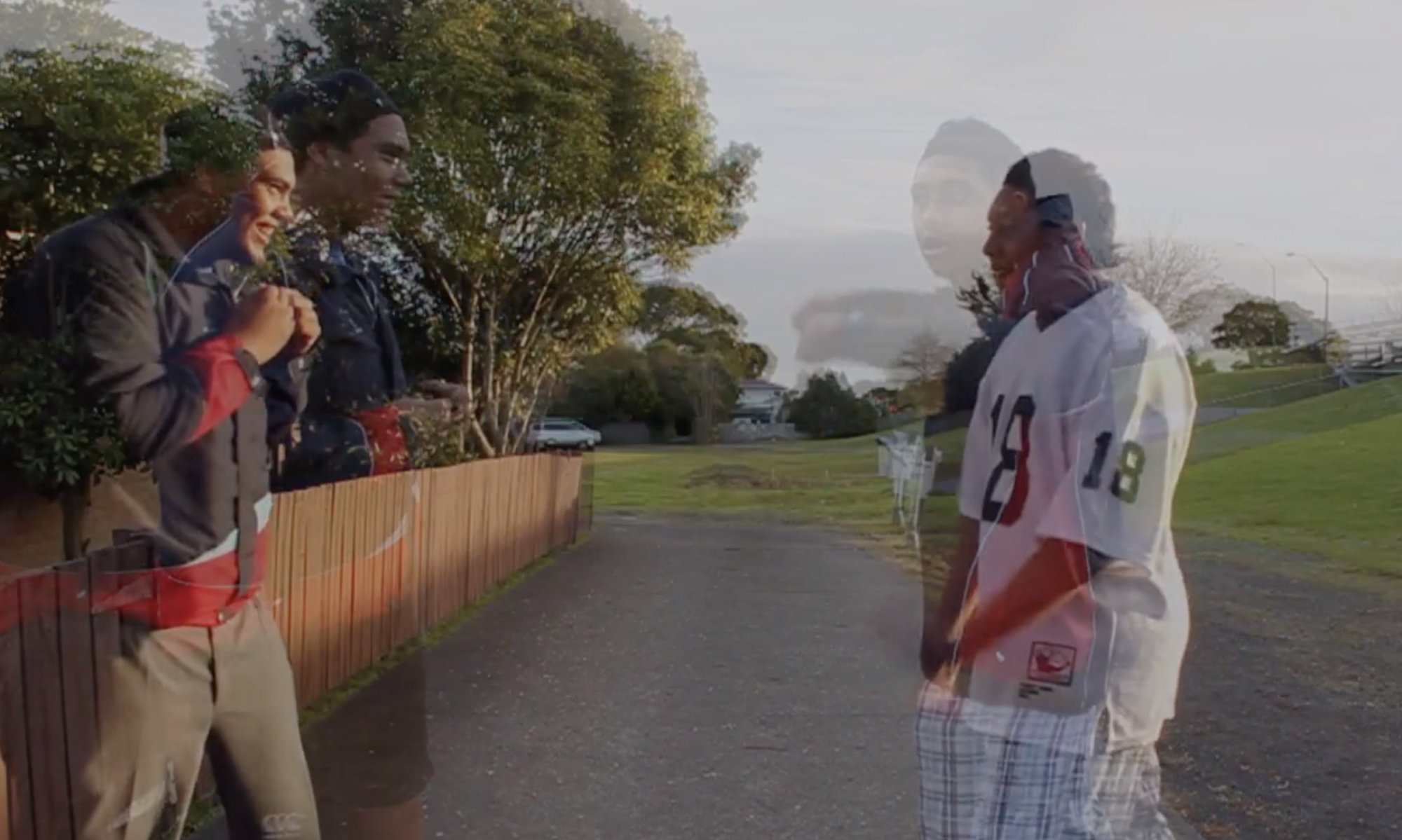
You perhaps have seen headlines that talk about the achievement gap, which usually speaks to Māori achievement within the NZ curriculum. In our current education system the statistics tell us that Māori are not doing as well as their Pākehā counterparts and in 2018 only 65.8% of Māori left school attaining NCEA Level 2 (or equivalent) in comparison to 82.4% of Pākehā. There are lots of conversations about why, but really at the heart of it all the answer is the effects of colonisation.
It’s impossible to talk about Māori and education without acknowledging the use of education by colonisers as a tool to oppress Māori. Pākehā destroyed indigenous education systems (physically burning down in some instances) and built their own with the agenda to impose a framework that would keep Māori disadvantaged. “Once they had established their own education system and began to teach our children, they also began preparing them for a world that they, the colonisers, would control”(Jackson, 2016). Banning Te Reo in school and only allowing vocational education for Maori to prepare them as labourer are only some of strategies implemented by Pākehā in the education system to keep themselves in power.
So what does that mean for education now? There has been a shift in thinking about how we engage learners, in particular Māori learners as schools practice culturally responsive pedagogy as a strategy to remedy the ‘achievement gap’.
Culturally responsive pedagogy can be described as “Teachers creating a context in the classroom that is responsive to the culture of the child … based upon the notion of relationships being paramount to educational performance … It’s a serious business, education. It’s about caring for people, caring that they learn, and it’s about creating learning relationships so that you ensure they are able to learn, and we term it a culturally responsive pedagogy of relations.” (Russell Bishop, 2011, EDTalks)
Although I think that culturally responsive pedagogies play such an important role in uplifting the spirit of our learners I can’t help but think of this question posed by Moana Jackson.
“How do we educate for rangatiratanga rather than just equating success with a university degree, and so on?” (Jackson, 2016). As much as we try and remedy the ‘achievement gap’ our institutions are still colonial and so is it possible to dismantle the system from within or will we need to rebuild one? Like Jackson believes is “the only education system that will ultimately serve our people well is one that flows from and is guided by decisions made by our people”(Jackson, 2016)?
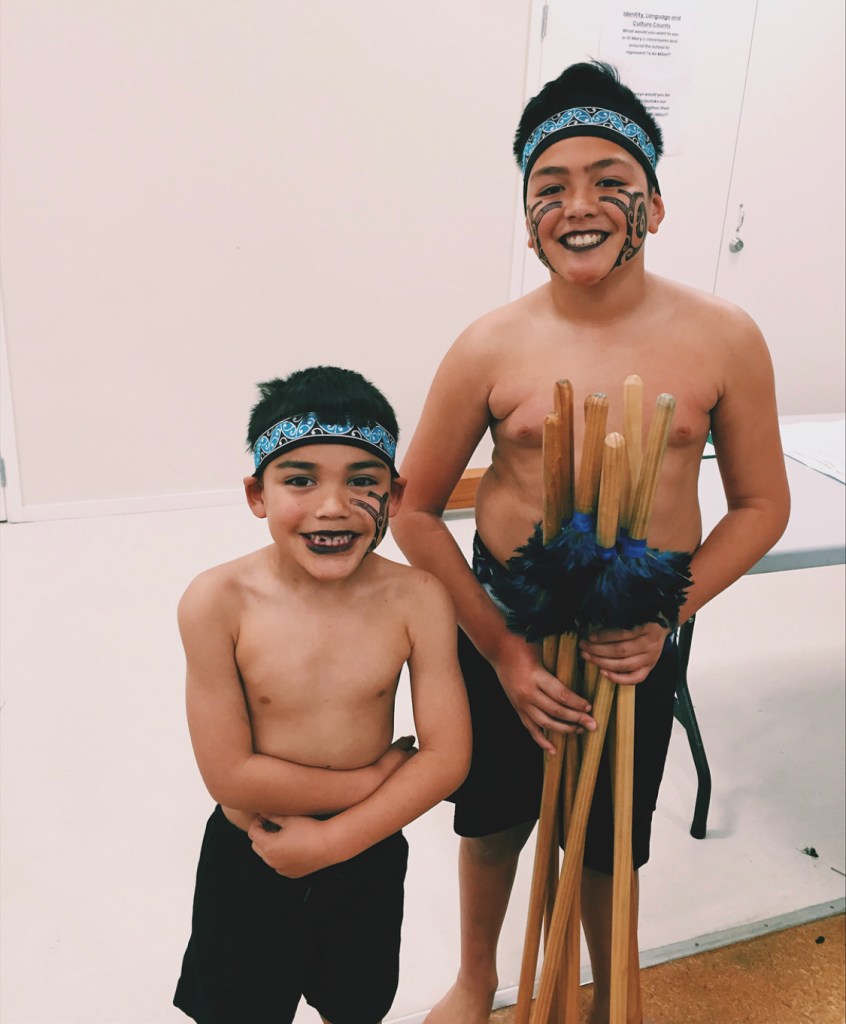
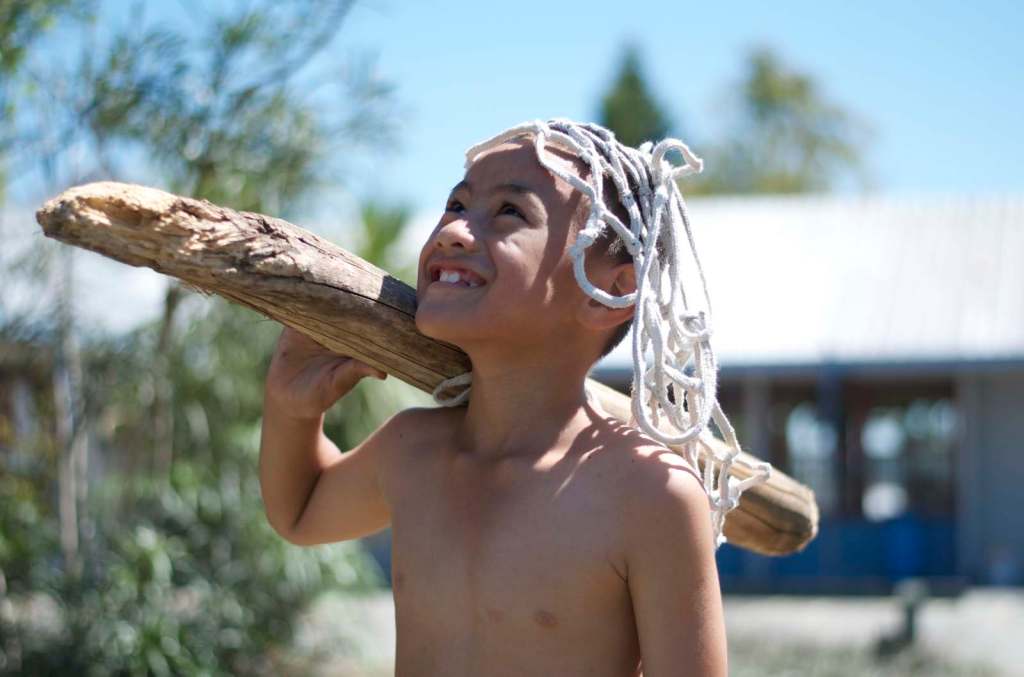
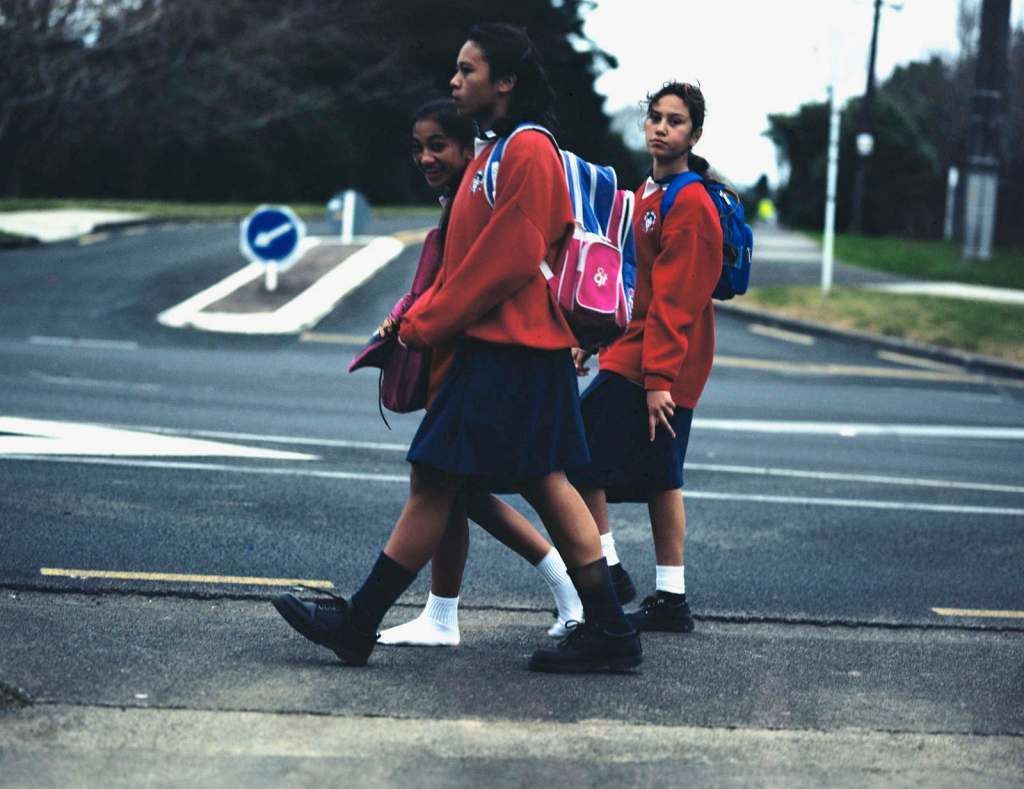
When I think of the achievement gap I think about my nieces and nephews because like any whānau member I want them to be able to thrive in life and enjoy learning. I want them to feel confident, safe and valued in school. I want them to be able to see themselves represented in their learning and in the teaching staff. I want them to learn beyond what they know but also stay rooted as we acknowledge that our ancestors are with us always. Most importantly I want them to know that being both Māori and Pacific doesn’t make them inferior.
So if it comes to dismantling the current education system so we can educate for rangatiratanga, I’m ok with that, because whats good for Māori is good for all of us.
References
Jackson, M. (2016). Decolonising education. In Decolonisation in Aotearoa: education, research and practice (pp. 39–47). Wellington,: New Zealand Council for Educational Research.
Bishop, R. (2012). EDtalks: A Culturally Responsive Pedagogy of Relations.
 Provocations in Educational Thinking